
Sending money home from Croatia: how to see what a transfer really costs
Workers in Croatia sent €136.8 million to the Philippines in the first nine months of 2025, according to Croatian National Bank figures. Much of what a transfer costs is hidden in the exchange rate, not the fee. Here is a simple way to compare providers using the official euro–peso reference rate.
Published 2026-10-13 · Source checked 2026-10-13
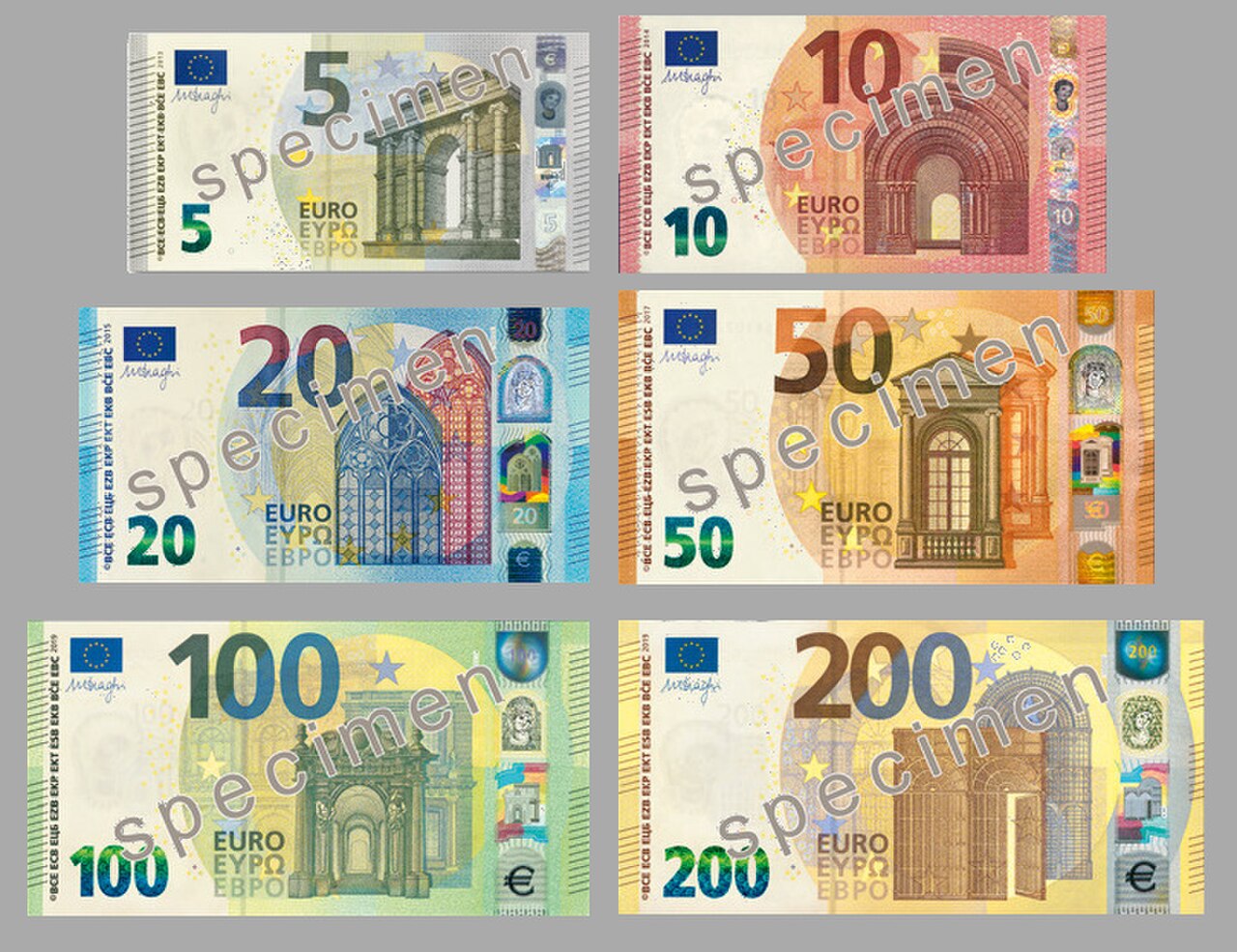
Remittances from Croatia to the Philippines have become a substantial flow of money. Croatian National Bank (HNB) data reported in January show that foreign workers in Croatia sent almost €1.576 billion to their home countries in the first nine months of 2025, and that €136.8 million of it went to the Philippines – the fourth-largest destination after Bosnia and Herzegovina, Nepal and Serbia.[1][2] For comparison, Bloomberg Adria reported HNB figures showing that Filipino workers sent about €43 million in the whole of 2023.[3] The periods differ, but the direction is clear.
With sums of that size, small differences in price add up. Every transfer has two costs: the fee you see, and the margin built into the exchange rate the provider gives you. A service that advertises “zero fees” can still be the more expensive choice if its rate is weaker.
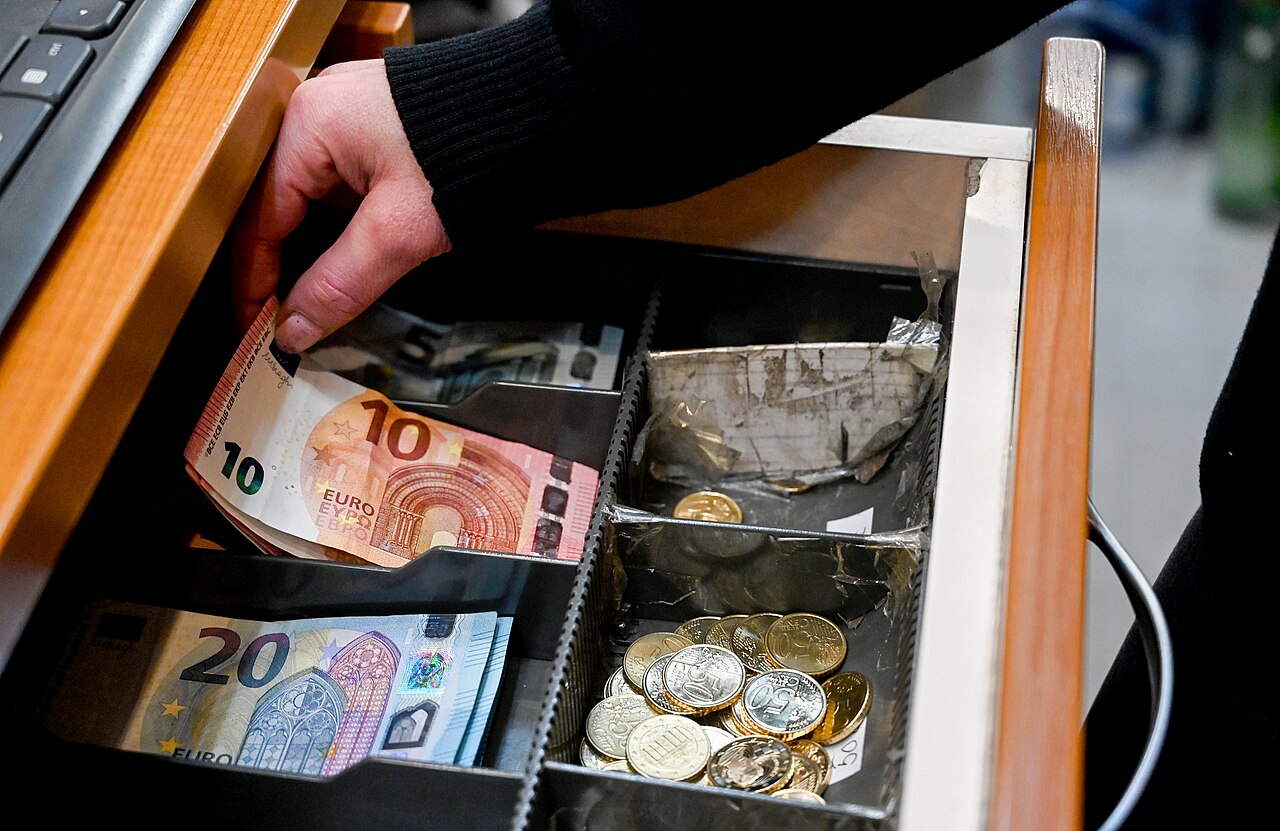
A neutral yardstick is the euro reference rate published every working day by the European Central Bank. On 12 October 2026 it was 70.169 Philippine pesos per euro.[4] No provider pays exactly this rate – it is a reference, not a quote – but it lets you measure how far a given offer is from the market.
The test is straightforward. Ask two or three providers for a quote at the same moment, for the same total amount leaving your account and the same payout method (bank account, e-wallet or cash pick-up). Divide the pesos your family will actually receive by the euros you pay in total. That is your effective rate. Compare it with the ECB figure: the gap is the real cost of the transfer.
An illustrative example, not a current offer: at the reference rate, €500 is worth about PHP 35,085. If one quote delivers PHP 34,400 for a total cost of €500, the effective rate is 68.8 – roughly 2% below the reference. If another delivers PHP 34,900 for the same €500, your family receives PHP 500 more, whatever the advertised fee.
A few habits help. Use a regulated provider and send only to accounts in the recipient’s own name. Check whether a low price is a first-transfer promotion. Keep the confirmation that shows both the euros sent and the pesos received; it is the best record if something goes wrong. Never send money to someone you know only online who asks for help with ‘fees’ or ‘customs’ – that is a common scam pattern.
On the homepage you will find our EUR/PHP widget, which shows the latest ECB reference rate and converts any amount before fees. Use it as a benchmark, not as a promise of what any provider will pay.
Read next
 Culture & EventsMass in Tagalog, with Filipino choirs: from Zagreb to Zadar, and now Rijeka
 Permits & Residence18,712 permits in nine months: Filipinos are now Croatia’s third-largest group of foreign workers
Sources
- Glas Istre – Dok Hrvati šalju milijarde kući, strani radnici iz Hrvatske odnose sve više novca (11 Jan 2026) · Newspaper
- Dnevnik.hr – Strani radnici iz Hrvatske poslali milijardu i pol eura (11 Jan 2026) · Newspaper
- Bloomberg Adria – U tri godine udvostručen iznos doznaka koje strani radnici šalju iz Hrvatske (16 Jun 2024) · Newspaper
- European Central Bank – EUR/PHP euro reference rate (data portal) · Official source
This explainer is based on the linked sources; we do not claim independent on-the-ground reporting.
Found an error? Send a correction.